.png)
Two of the most common supports in any NDIS plan look almost identical from the outside: a support worker, showing up regularly, helping with everyday life. But skills development and support work do different jobs, use different funding, and suit different goals. Here's how to tell which one you need.
Support work: doing life together
Support work is help with your week as it is. A worker helps with daily routines, gets you to appointments, comes along to community activities, or simply provides company and a capable pair of hands. The goal is a well-supported life, and the support continues for as long as it's useful. It's funded under Core Supports, the flexible part of your plan.
Skills development: doing it with you until you don't need us
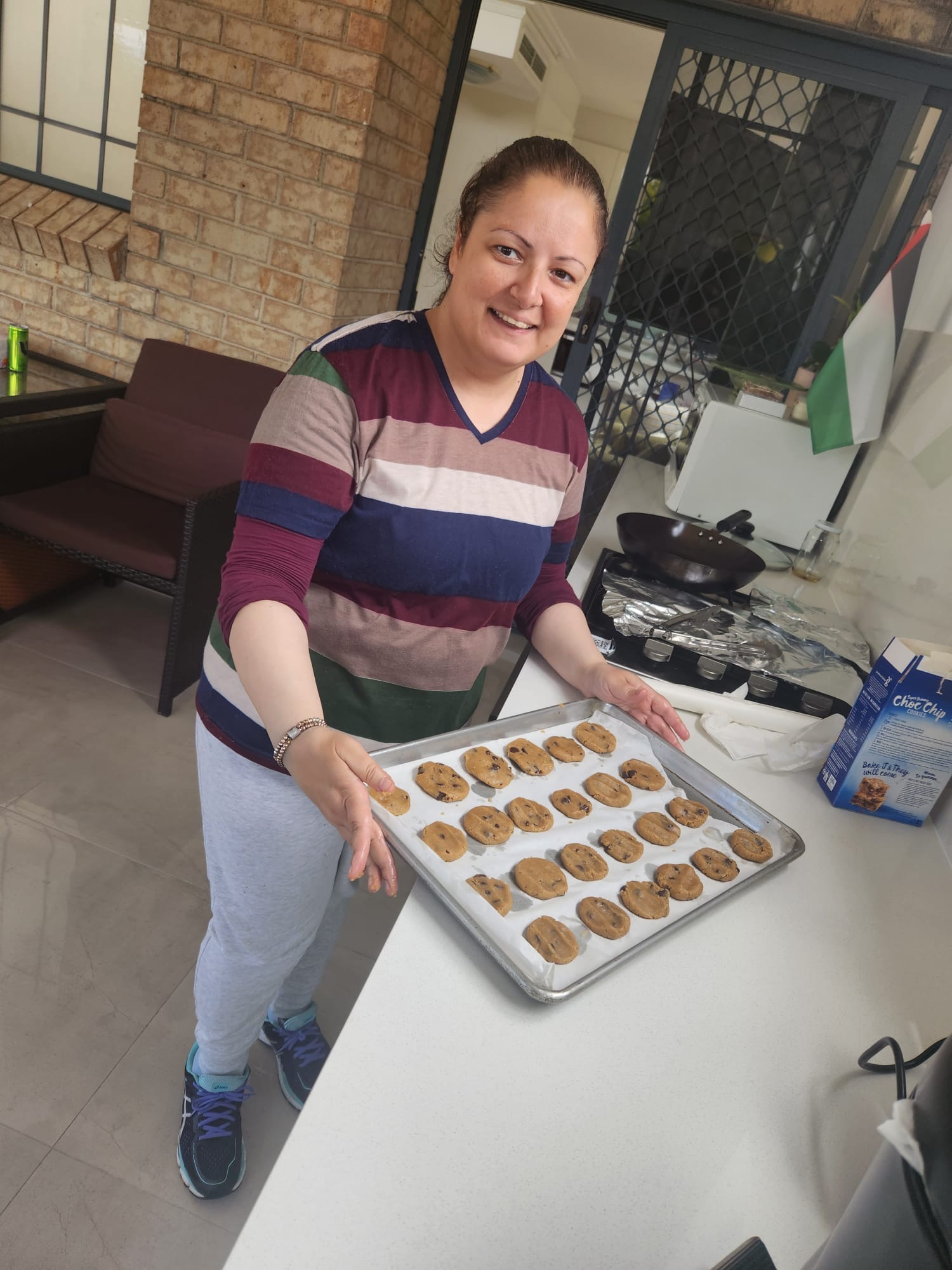
Skills development looks similar in the room but points a different direction. The worker isn't there to do the task; they're there to teach it, step by step, in the real setting where you'll use it. Cooking in your own kitchen. Travel training on your actual bus route. Budgeting with your real shopping list. Success is measured by you needing less support over time. It's funded under Capacity Building (Improved Daily Living).
The one-question test
Ask yourself: in six months, do I want this task done, or do I want to be doing it myself? If the answer is done, that's support work. If the answer is doing it myself, that's skills development. Both answers are completely legitimate. Independence isn't a moral obligation, and a good provider will never pressure you toward one over the other.
Most people use both
In practice, the supports pair well. A participant might use skills development for cooking and public transport while using support work for the parts of the week where help is simply needed. As skills grow, the mix shifts. That's the system working as intended, and it looks great at plan review time.
A worked example
Say your goal is to live more independently. Skills development might cover meal planning, laundry routines, and money skills, building toward that goal week by week. Support work might cover the community outings and appointments that keep the rest of life running while you build. Same provider, same familiar faces, two budgets doing two jobs.
Not sure which your plan funds, or which your goal needs? That's a five-minute conversation. Call 1300 095 012, or read more about skills development and support work and see which one sounds like your next six months.
